Conservation
Good framing protects more than appearance. Thoughtful framing is an investment in the longevity, presentation, and preservation of your work.
Conservation framing is about making thoughtful choices that help protect an artwork or object from the things that can cause damage over time — light, acidity, moisture, poor-quality materials, and inappropriate mounting.
At Artis Pura, conservation principles are considered as part of the whole framing process. I look at the artwork, its materials, condition and intended display environment, then select appropriate mounting methods, backing materials, matboards and glazing to provide the protection it needs.
For works on paper, textiles, photographs, Indigenous artworks and other sensitive or historically significant pieces, conservation-quality materials and reversible methods can make an important difference to their long-term care. This might include cotton rag matting, archival backing materials, suitable hinging and mounting techniques, and glazing with UV protection and reflection control.
Conservation doesn't always mean choosing the most expensive option. The right solution depends on the artwork, where it will live, how it will be displayed, and how much protection is appropriate. My aim is to find the balance between good conservation practice, beautiful presentation and what makes sense for each individual project.
Sometimes conservation is also about recognising what not to change. Original materials, inscriptions, labels, old matboards or other evidence of an artwork's history can be important, and wherever possible I prefer to preserve rather than replace them unnecessarily.
Thoughtful conservation framing allows artwork to be enjoyed now while giving it the best chance of being enjoyed well into the future.
Conservation Methods Materials & Specialities
Japanese Hinging
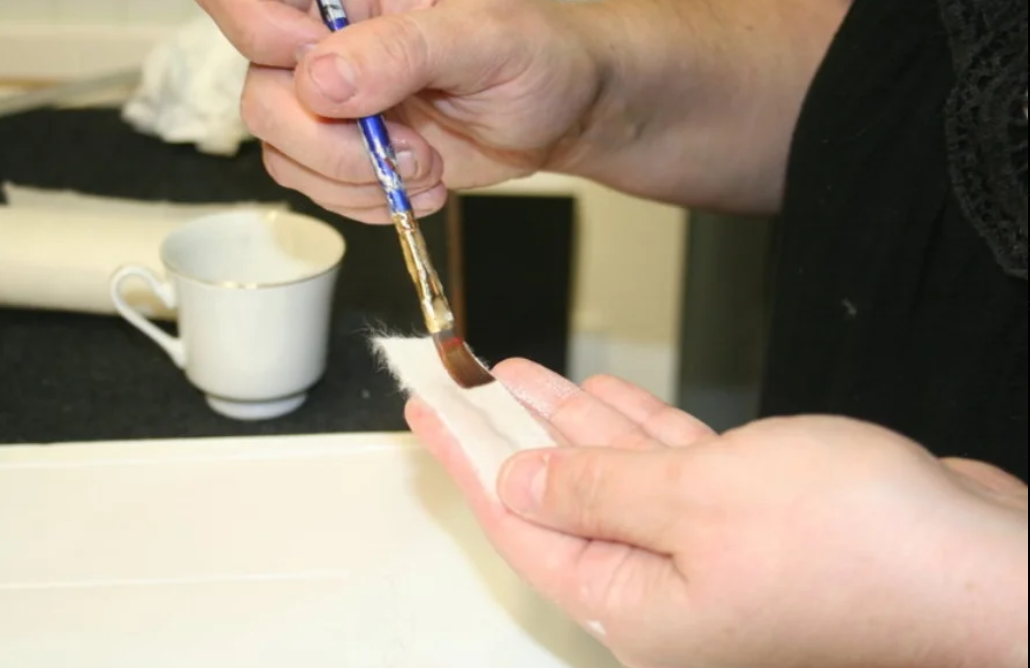
Our museum standard framing includes traditional Japanese hinging, the approved method for museum grade conservation framing for works on paper.
Japanese hinging (applying pure, PH stable wheat starch paste to Japanese mulberry paper)is the method used for mounting works on paper that is accepted by the world recognised Professional Picture Framers Association .
Duplicating the process used for repairing and relining fragile or damaged paper works, Japanese hinging is 100% reversible.
To reduce the risk of damage should it ever need to be removed, we always mount artwork to the backing, rather than the mount .
We prefer to use quality metal D-Rings, screws and soft strand plastic coated wire.
Materials other than paper, such as silk and vellum, require a different PH environment. We may reccomend using any the following conservation mounting techniques:
Corner Pockets
Edge Strips
Mylar Strips
Sink Mounts
Glazing options
We want your piece to remain as vibrant and vivid as the day you brought it to us.
Glass quality is one of the most important factors in framing.
Because Harmful UV fades artworks, our minimum quality is 99% UV filtering glass or acrylic.
Our standard quality is 99% UV filtering glass or acrylic.
Where your budget allows, we are able to offer superior quality Museum Glass.
Museum glass virtually eliminates reflections and provides optimal light transfusion while blocking up to 99% of damaging UV rays
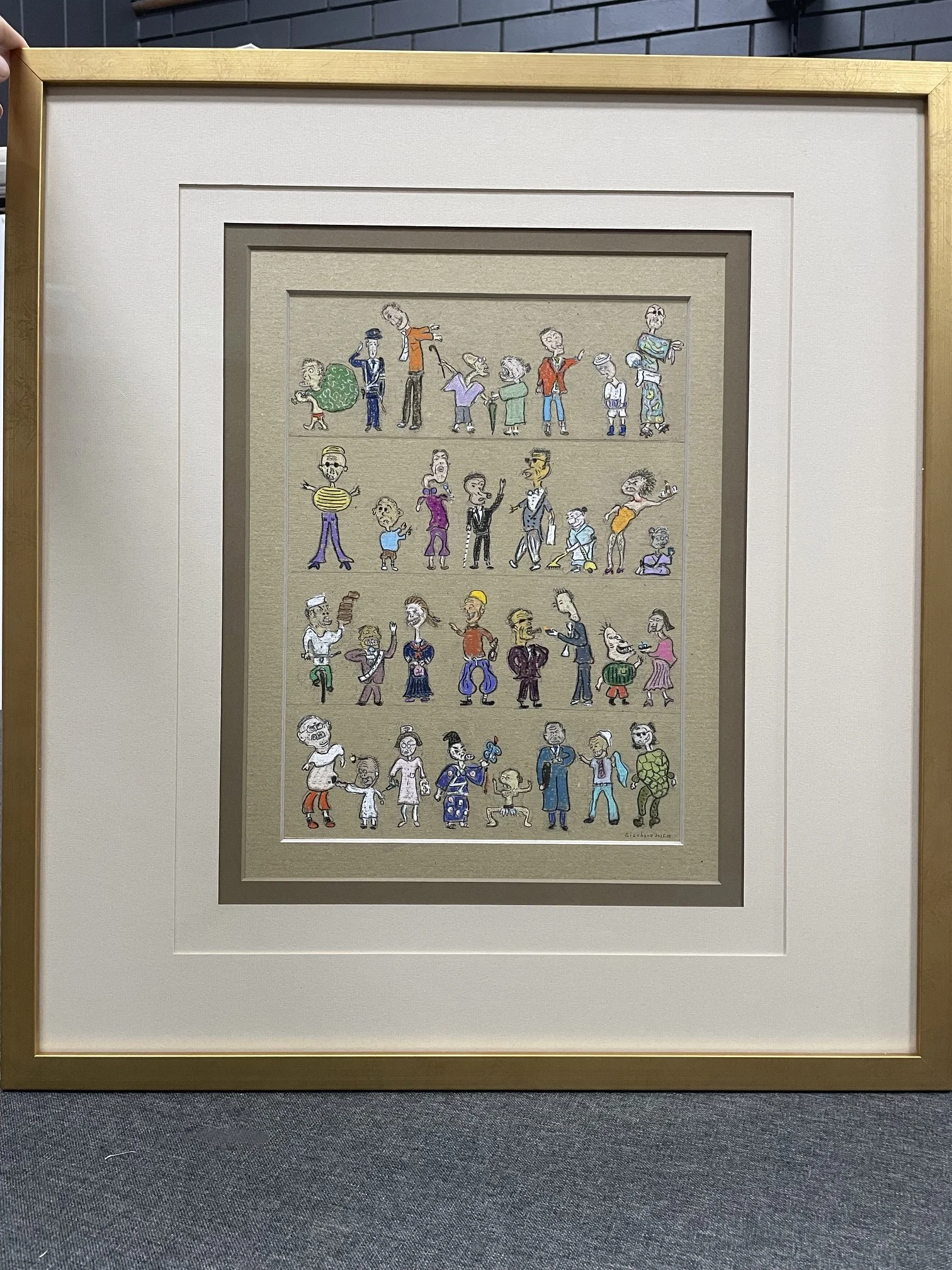
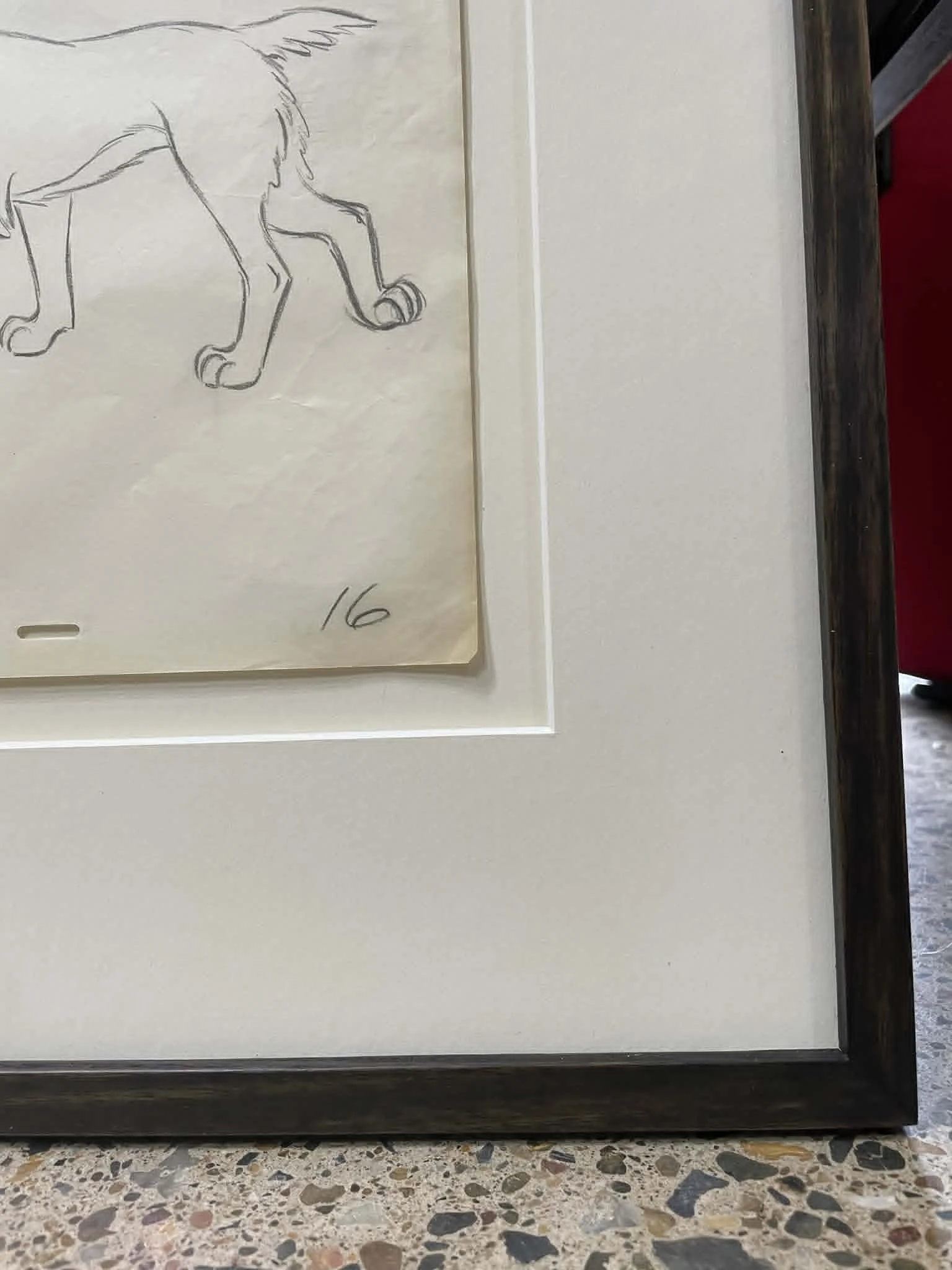
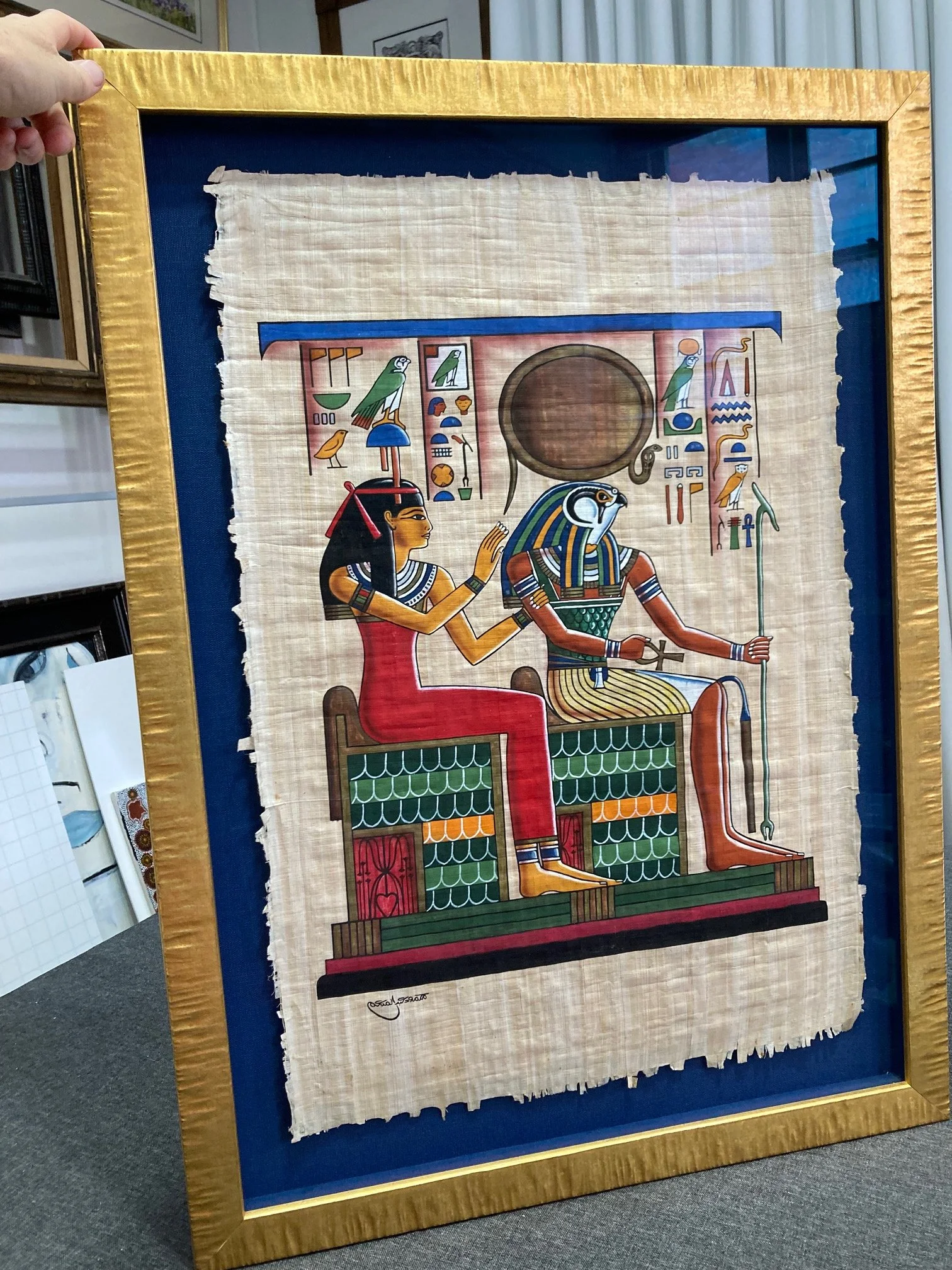
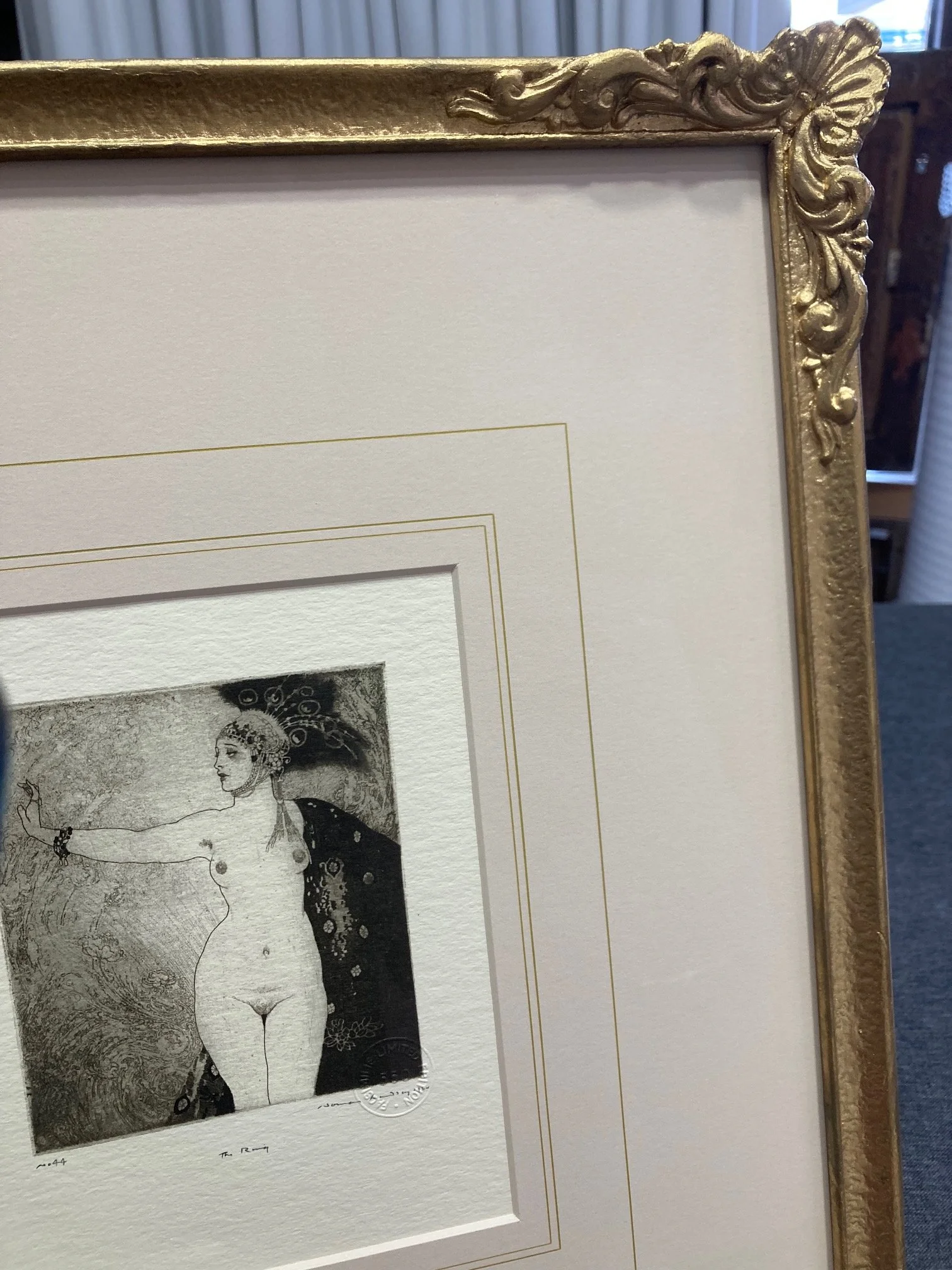
Conservation Gallery